
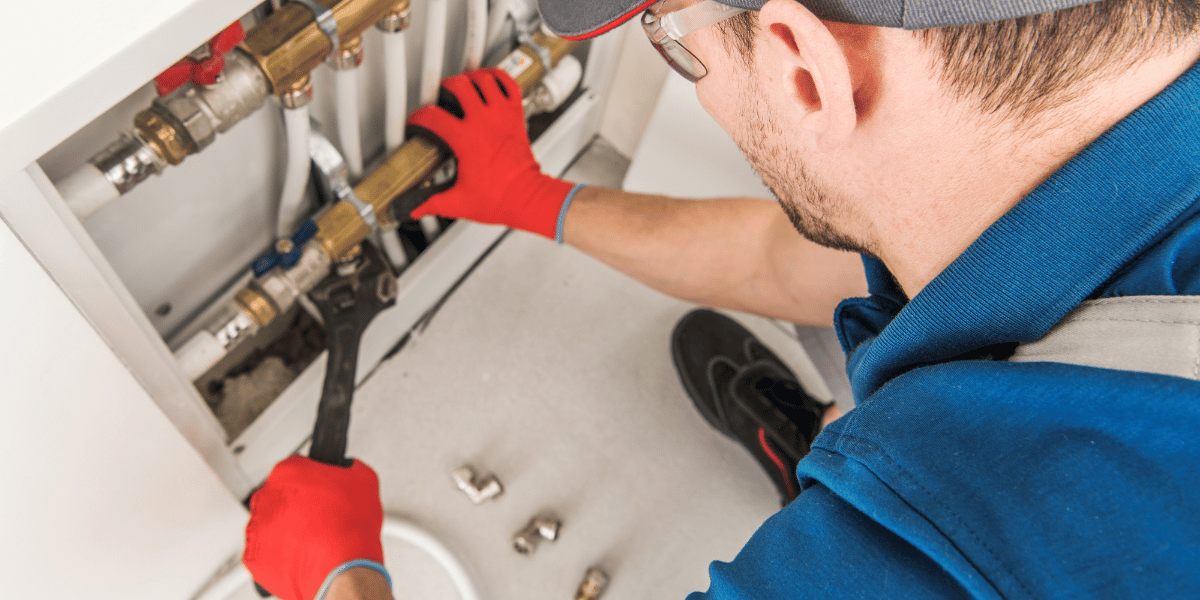
Plumbing is an essential trade, but it’s not without its risks. From working with hazardous materials to navigating confined spaces, plumbers face various dangers every day. However, with the right knowledge and precautions, it’s possible to minimize these risks and ensure a safe working environment.
Here are essential plumbing safety tips and best practices that prevent you to find emergency plumbers and stay safe on the job.
1. Wear Proper Protective Gear
One of the first lines of defense against workplace hazards is wearing the appropriate protective gear. This includes items such as safety goggles, gloves, steel-toed boots, and helmets. Safety goggles protect your eyes from chemicals, debris, and splashes, while gloves shield your hands from cuts, burns, and chemical exposure. Steel-toed boots provide protection against heavy objects that could fall on your feet, and helmets safeguard your head in case of falls or impacts.
2. Follow Proper Lifting Techniques
To follow proper lifting techniques, all you need is to find emergency plumbers who have often have to lift heavy objects, such as pipes and equipment, which can lead to strains and injuries if not done correctly. Always remember to bend your knees and lift with your legs rather than your back to avoid back injuries. Additionally, use proper lifting equipment, such as dollies or carts, whenever possible to reduce the strain on your body.
3. Use Tools and Equipment Safely
Using tools and equipment improperly can lead to accidents and injuries. Always follow manufacturer instructions and safety guidelines when operating tools and machinery. Inspect tools regularly for damage or defects and replace them as needed. Keep tools clean and properly maintained to ensure they function correctly and safely.
4. Be Aware of Hazardous Materials
Plumbing often involves working with hazardous materials such as chemicals, sewage, and asbestos. It’s essential to understand the risks associated with these materials and take appropriate precautions. Wear protective gear, such as gloves and masks, when handling chemicals or working in areas with potential exposure to sewage. Dispose of hazardous materials properly according to regulations and guidelines.
5. Practice Electrical Safety
Plumbers frequently work with electrical systems when installing or repairing water heaters, pumps, and other appliances. To prevent electric shocks and fires, always turn off the power supply before working on electrical components. Use insulated tools and wear rubber-soled shoes to reduce the risk of electric shock. Inspect wiring for damage and replace worn or frayed wires immediately.
6. Take Precautions in Confined Spaces
Plumbers often encounter confined spaces such as crawl spaces, trenches, and utility tunnels, which present unique safety challenges. Before entering a confined space, assess the risks and ensure proper ventilation to prevent suffocation from lack of oxygen or exposure to toxic gases. Use confined space entry permits and follow established safety protocols, including having a trained attendant monitor the work from outside the confined space.
7. Practice Fire Safety
Fire hazards exist in many plumbing work environments, particularly when working with soldering equipment or torches. Keep flammable materials and substances away from heat sources, and have fire extinguishers readily available in case of emergencies. Follow proper procedures for storing and handling flammable materials to reduce the risk of fires.
8. Communication skills
Effective communication and collaboration are essential for maintaining a safe working environment. Discuss potential hazards with coworkers and supervisors, and share information about safety procedures and best practices. Encourage open communication about safety concerns and be willing to speak up if you notice unsafe conditions or practices.
9. Stay Updated on Safety Regulations
Safety regulations and best practices in the plumbing industry are constantly evolving to address new risks and challenges. It’s essential for plumbers to stay informed about current regulations and guidelines established by relevant authorities such as OSHA (Occupational Safety and Health Administration) or local regulatory agencies. Attend safety training sessions and workshops to stay updated on the latest safety protocols and techniques.
10. Take Breaks and Avoid Overexertion
Plumbing work can be physically demanding, requiring long hours of standing, lifting, and maneuvering in tight spaces. To prevent fatigue and reduce the risk of overexertion injuries, take regular breaks to rest and stretch your muscles. Stay hydrated and eat nutritious meals to maintain energy levels throughout the day. Listen to your body and avoid pushing yourself beyond your limits, as fatigue can impair judgment and increase the likelihood of accidents.
Final thoughts
Plumbing can be a rewarding and fulfilling career, but it’s crucial to prioritize safety on the job. By following these plumbing safety tips and best practices, plumbers can reduce the risk of accidents, injuries, and occupational hazards. Remember to always wear proper protective gear, use tools and equipment safely, be aware of hazardous materials, practice electrical safety, take precautions in confined spaces, prioritize fire safety, and communicate effectively with coworkers. With a commitment to safety and diligence in following established protocols, plumbers can ensure a safe and healthy work environment for themselves and their colleagues.
